
The Creative Economy of Chicago and Illinois: Impact and Assets
A first-of-its-kind look at the scale, structure, and impact of the Illinois creative economy.
Home > Creative Economy of Chicago and Illinois: Impact and Assets
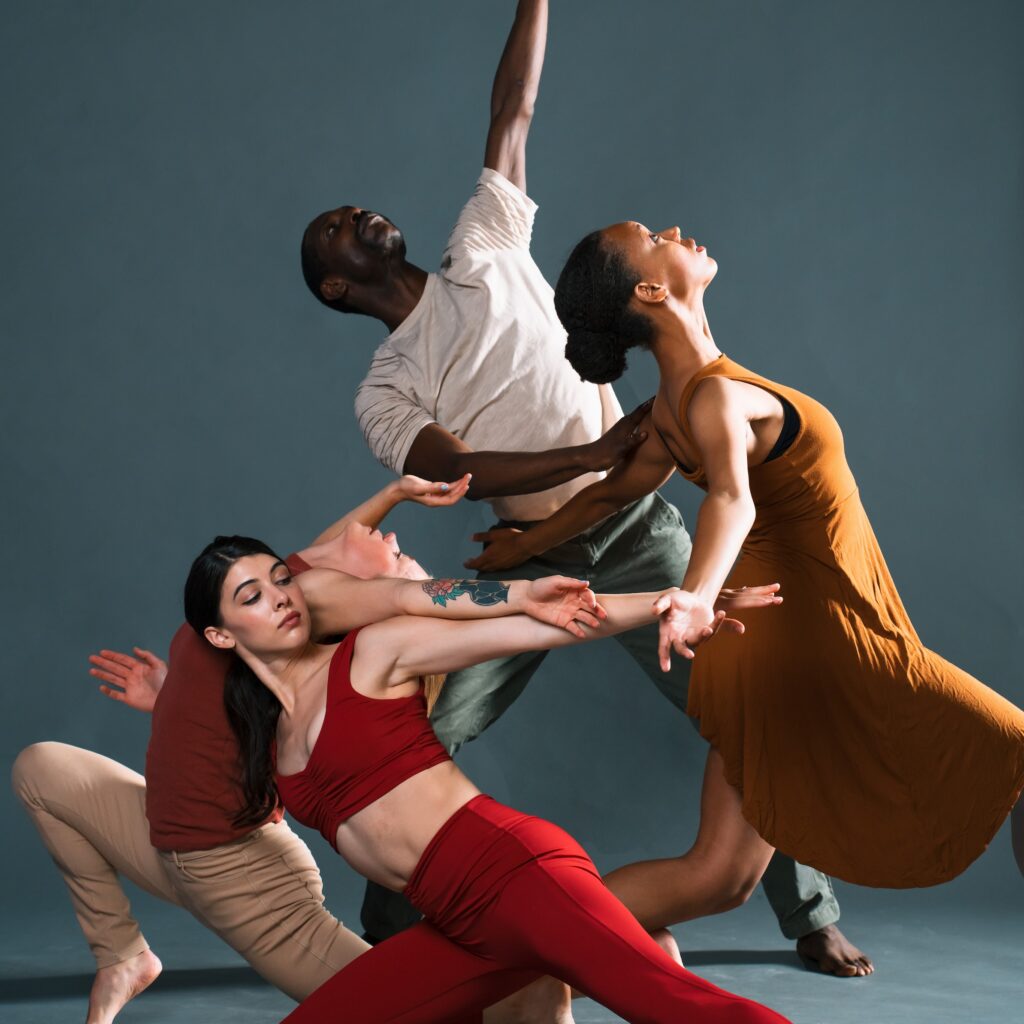
Photo Credit: Michelle Reid, Winifred Haun & Dancers
Read the Reports
The creative economy is a major driver of jobs, business growth, and community vitality across Illinois. Yet until now, policymakers, community leaders, and advocates have lacked the comprehensive, up-to-date information needed to understand its full scale and impact.
The Creative Economy of Chicago and Illinois: Impacts and Assets is a first-of-its-kind effort to address that gap. Developed by Arts Alliance Illinois in partnership with leaders from across arts and culture, economic development, philanthropy, and government, this initiative measures both the economic impact of the creative sector and the assets that support it.
The project combines economic analysis, workforce data, and cultural asset mapping to provide a clearer picture of how creativity contributes to communities throughout Illinois. Together, these findings position the creative economy not simply as a cultural asset, but as a vital component of Illinois’ economic future.
Additional local and regional analyses, community conversations, and new resources will continue to be released throughout 2026 as part of a broader effort to understand and strengthen Illinois’ creative ecosystem.
Illinois
jobs supported
annual economic output
annual tax revenue generated
6th Largest State Industry
At 6.3%, the creative economy is larger than transportation (6.2%), construction (5.1%), and finance and insurance (4.4%).
Read the Illinois Report
Chicago
jobs supported
annual economic output
annual tax revenue generated
3rd Largest City Industry
At 11.3%, the creative economy is larger than educational services (10.2%), retail (8.3%), and manufacturing (7.9%).
Read the Chicago Report
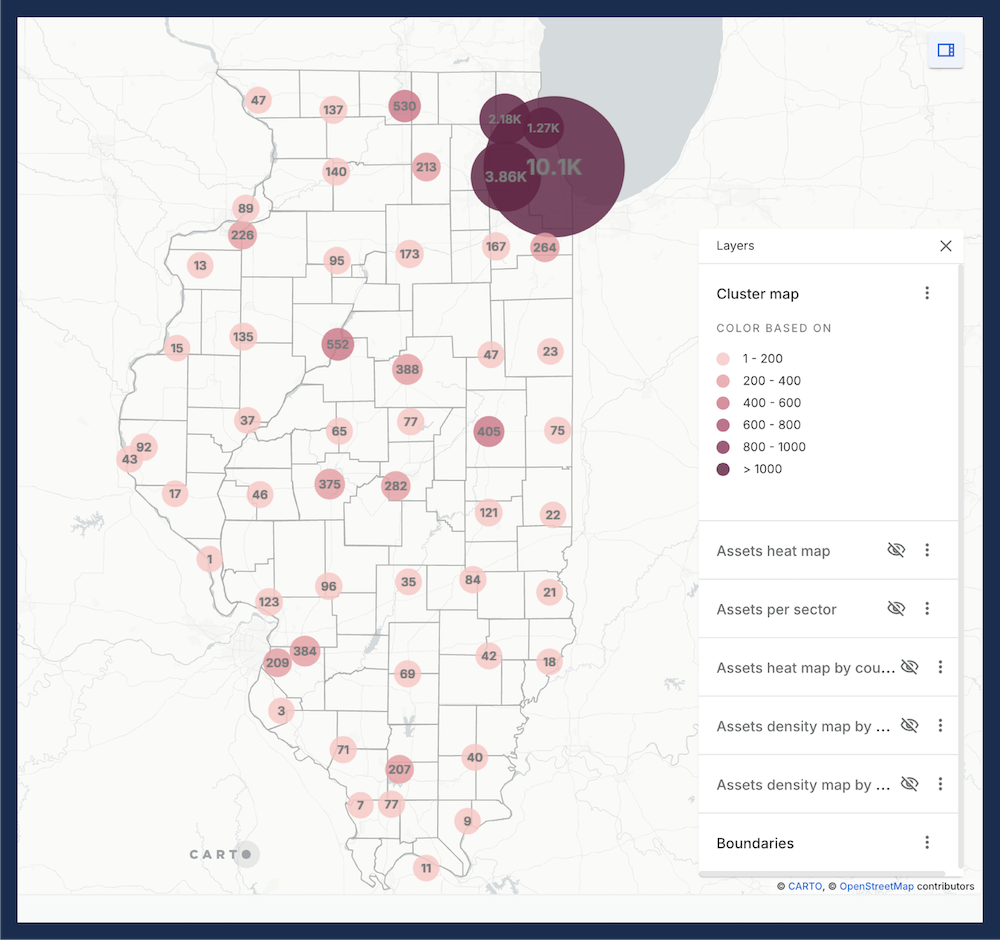
Explore Illinois' Creative Assets
The creative economy is supported by a vast network of artists, cultural organizations, creative businesses, educational institutions, venues, public spaces, and community assets that make creativity possible.
Who Makes Up The Creative Economy?
Conservatories and universities with cultural & creative programs or business programs for the cultural & creative industries; public and private schools with cultural & creative programs.
Film & video production companies; film & video distribution companies; movie theaters, drive-in movie theaters; film & video post production companies; other motion picture and video services organizations; motion picture booking agencies & film restoration providers; radio networks; radio stations; television broadcasting networks; web hosting, video and audio streaming organizations; internet broadcasting organizations; computer software consultants and programmers for the cultural & creative sector; games and computer software publishers.
Books & press printing establishments; newspaper publishers; periodic publishers; books publishers; greeting card publishers; libraries & archives.
Museums; restorers of art and museum collection objects; zoos & botanical gardens.
Architect firms; landscape architect firms; interior designers; industrial design companies; graphic designers; costume,fashion and jewelry design companies; advertising agencies.
Performing arts festivals, fairs, and conventions; book fairs and conventions; design fairs and conventions; audiovisual & interactive media festivals, fairs, and conventions.
Musicians & singers; music directors & composers; independent performers (magicians, acrobats); independent performers (actors, dancers, and script writers); writers & authors; independent film & video creatives (movie producers and directors); independent radio & TV creatives (TV directors, radio DJs); visual artists.
Musical instruments & equipment stores; record stores; film & video stores; book stores.
Music publishers; recording studios, producers & rehearsal rooms; record labels.
Other commercial and administrative support organizations for the cultural & creative sector; general non-profit organizations for the cultural & creative sector; bookers & programmers; artists’ managers; performing arts ticket offices; musical instrument manufacturers.
Performing arts companies (theater, dance, bands, orchestras); dedicated performing arts venues; arenas; dedicated live music venues; occasional venues.
Art galleries; auctions & dealers; craft stores.
Why This Research Matters
Research is only valuable if it helps people make better decisions.
The creative economy touches every stage of Illinois’ cycle of opportunity—from arts-rich learning experiences that help young people develop creativity and problem-solving skills, to creative careers and entrepreneurship, to the vibrant downtowns, neighborhoods, and communities that attract people and investment.
Yet arts and culture are too often viewed as a luxury rather than essential infrastructure. This research helps demonstrate what many communities already know: creativity is an economic asset, a workforce asset, an educational asset, and a community asset.
The findings on this page provide data that can inform public policy, public investment, workforce development strategies, arts education initiatives, and community planning efforts. By better understanding the assets and impacts of the creative economy, Illinois can make more informed decisions about how to support creative workers, strengthen cultural organizations, expand opportunity, and build a more prosperous future.
Local and Regional Analysis
Additional analyses will be released throughout 2026.
- Chicago South Side Creative Economy
An examination of the South Side’s creative assets, cultural infrastructure, and economic contributions.
Status: In Development
Suburban Cook County Creative Economy
A regional analysis highlighting the creative economy across suburban Cook County communities.
Status: In DevelopmentArts DuPage Creative Economy Snapshot
A localized assessment of the creative economy in DuPage County.
Status: In Development
Resources will be added as they become available. Contact Arts Alliance to learn more about commissioning a local report!
What Comes Next
Arts Alliance and partners across the state are hitting the road for the Illinois Creative Future Roadshow, and we’d love to see you there! We’re making 20+ stops in communities across Illinois to collectively build an action plan for investing in Illinois’ creative future.
New insights from the Creative Economy of Chicago and Illinois: Impact and Assets reports will kick off the conversation, but your knowledge and experience will shape what comes next.
Supported By
Anne L. Kaplan