
Why this work matters and the system it’s trying to shift
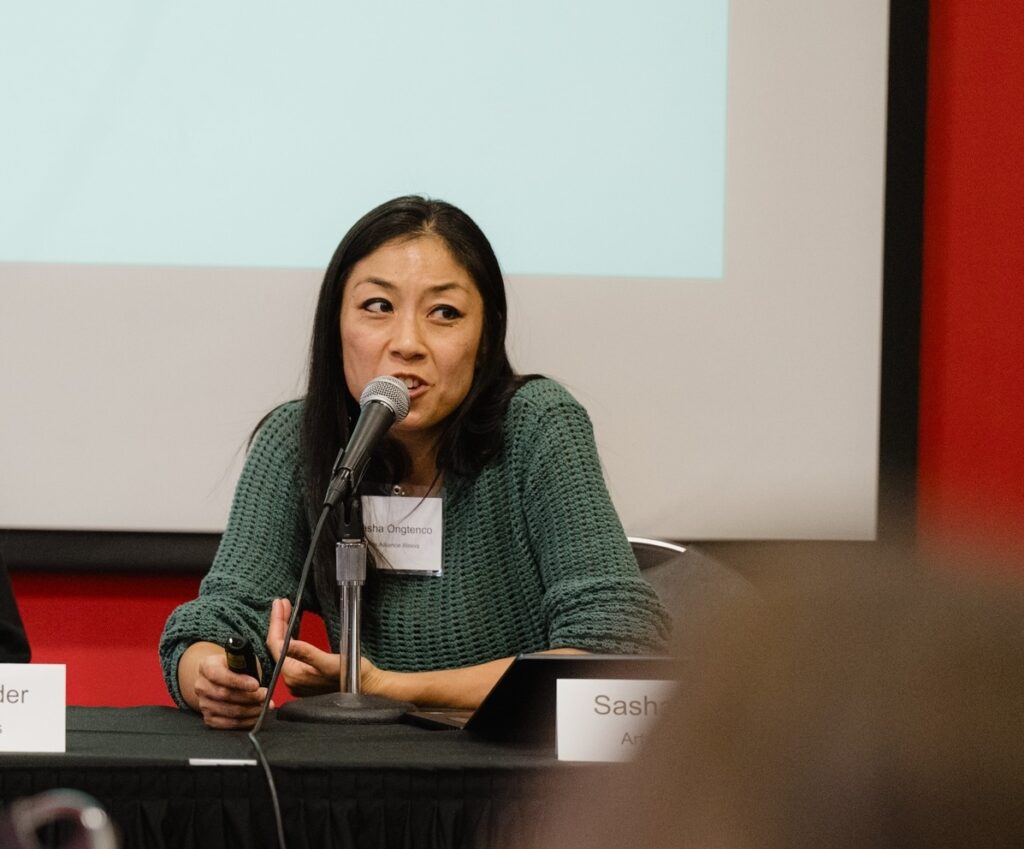
By Sasha Ongtengco, Program Director, Creative Workers
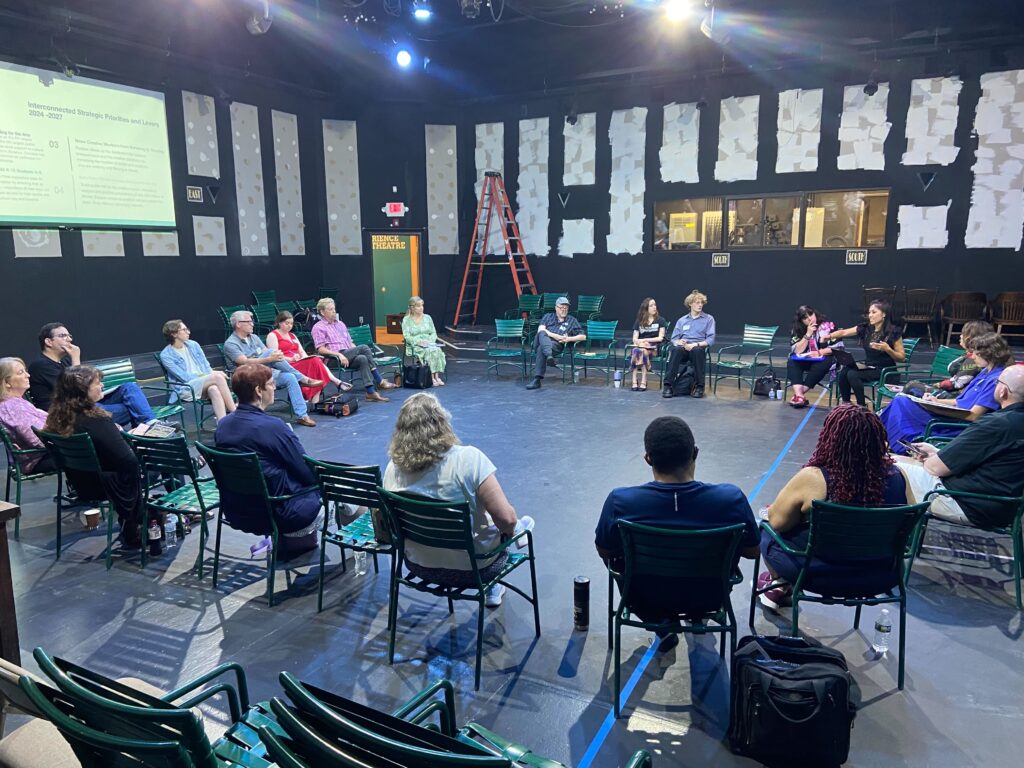
Last month, Arts Alliance Illinois partnered with the College of Fine and Applied Arts at the University of Illinois, the University of Illinois Chicago, the Illinois Workforce Education and Research Collaborative (IWERC), and the MacArthur Foundation to host the first-ever Illinois Creative Workforce Partnership Summit at Discovery Partners Institute. For the first time, more than 70 stakeholders—artists, funders, workforce and economic development partners, community arts organizations, researchers, and practitioners—came together to focus on the economic impact and needs of the creative workforce.
As someone who has spent years in the workforce space, it was a huge moment for me. Prior to joining Arts Alliance, I spent a decade at Cara Collective building a network of employer and service partners across Chicagoland’s workforce and economic development systems. There, I supported hundreds of job seekers facing barriers to employment. As a musician, some of my most meaningful moments came from connecting with job seekers who also identified as artists—people navigating re-entry, surviving domestic violence, managing chronic health conditions, or raising children as single parents. Their creative practice was often a lifeline. Yet I rarely encountered workforce programs designed to support creatives. The system lacked both the infrastructure for gig workers and clear pathways for careers in the arts.
In late 2021, I started collaborating with Arts Alliance to address workforce development gaps for creative workers. What became clear is that many artists already operate within unstable systems, lacking health insurance, portable benefits, predictable hours, and consistent income. While they possess highly valuable soft skills, they often lack the support needed to articulate and demonstrate those skills to employers.
Workforce systems are typically structured around industries that recruit talent at scale for standardized roles. Think of nurses, for example, who move through clearly defined training pathways, earn widely-recognized credentials, then step into roles with consistent titles, expectations, and benefits across hospitals and health systems. While many industries could benefit from creative skills, there isn’t a clean way to plug creative workers into these systems or a straightforward path for creative workers themselves. Systems must understand how creative skills translate across industries, identify flexible training opportunities for gig workers, and explore where arts integration is possible.
In short, workforce structures exist, but artists don’t naturally fit into them. Solving this mismatch required building relationships with creative workers and their networks to understand what’s working, what’s missing, and what needs to change.
As a contractor and now as Creative Workers Program Director, I’ve spent the past several years doing exactly that—hosting roundtables and focus groups, engaging employers and intermediaries across sectors, and participating in workforce convenings across Illinois. Through this work, new partnerships and opportunities have emerged.
One early initiative was launching the first version of Arts Alliance’s Help Desk to support artists applying for DCEO’s B2B Arts COVID relief grant. The Help Desk helped move $50 million in relief funds to artists and organizations across the state, demonstrating the value of navigation services in connecting creatives to critical resources. Today, in partnership with scaleLIT, the Help Desk has expanded to connect creative workers to a broader workforce ecosystem, supporting them in accessing employment and career development opportunities.
Another key initiative is the Illinois Creative Worker Partnership (ICWP), a collaboration among UIUC, UIC, Arts Alliance Illinois, Discovery Partners Institute, and IWERC. ICWP is working to identify transformative improvements in how Illinois educates, trains, and supports its creative workforce. This includes advancing research such as a “Good Jobs in the Arts” framework in partnership with the School of Labor and Employment Relations at the University of Illinois, building on statewide job quality studies to better define sustainable career pathways for artists.
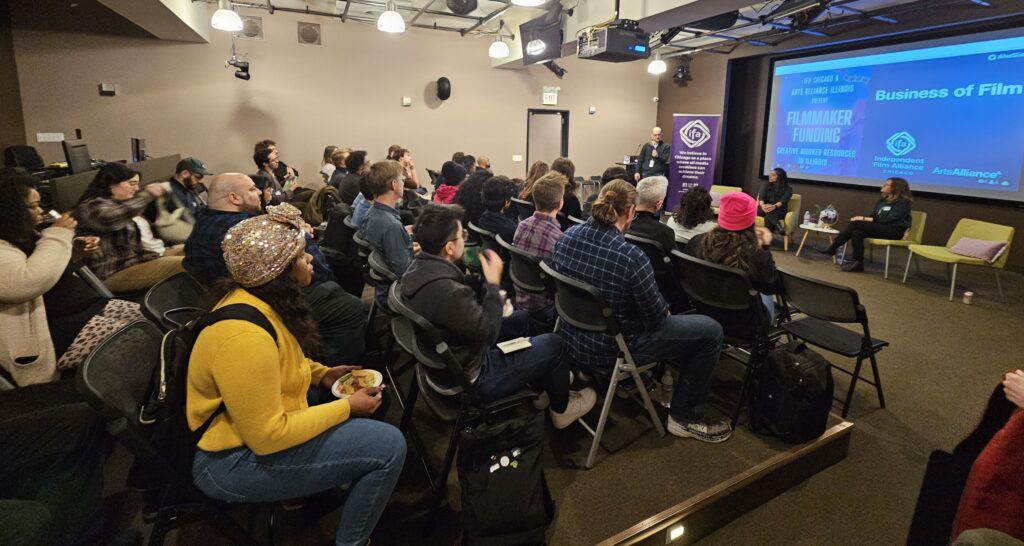
We’ve also refreshed our Creative Worker Policy Agenda to more clearly define and advocate for the field’s needs—ranging from fair compensation and access to benefits, to stronger infrastructure and protections for freelance workers. Our growing partnerships with labor coalitions and workforce advocates have helped elevate creative labor within broader policy conversations and identify opportunities for intersectional advocacy.
The ICWP Summit in March marked a milestone in this journey, with relationships built over years of engagement coming together in one space. Presentations from leaders like Tonika Lewis Johnson and research from organizations such as NORC, SMU DataArts, SNAAP, and the Chicago Artist Census reinforced what many already knew: creative workers face systemic precarity. One takeaway stood out clearly: if workforce systems are to serve all workers effectively, they must be integrative. Supporting creative workers requires embedding the arts across systems, not treating them as separate.
Across conversations with stakeholders outside the arts sector, I’ve found that people don’t need convincing about the value of creative workers; they simply haven’t considered how these workers have been excluded from systems designed for other industries. Once they do, there’s often a shift in perspective.
The momentum is real. If we are to build an Illinois where creative workers can thrive—without sacrificing stability, benefits, or sustainability—we must continue this work together. I invite you to join us, whether through our policy efforts, partnerships, or upcoming programming focused on creative worker needs.
If you’d like to learn more about our efforts to support creative workers, or are a creative worker yourself looking for some key educational resources, we’re teaming up with Lawyers in the Creative Arts to host a Worker Rights Webinar Series kicking off June 4th. You can register for Worker Rights 101 now, and watch for more information about upcoming events in the coming weeks!
Onward,
Sasha Ongtengco, Program Director, Creative Workers