
Creative Workers Agenda
Building on our broader policy agenda, this focused 2025 update reflects a statewide effort to better support Illinois’ creative workforce. Grounded in extensive field engagement, it outlines what creative workers need to move from surviving to thriving.
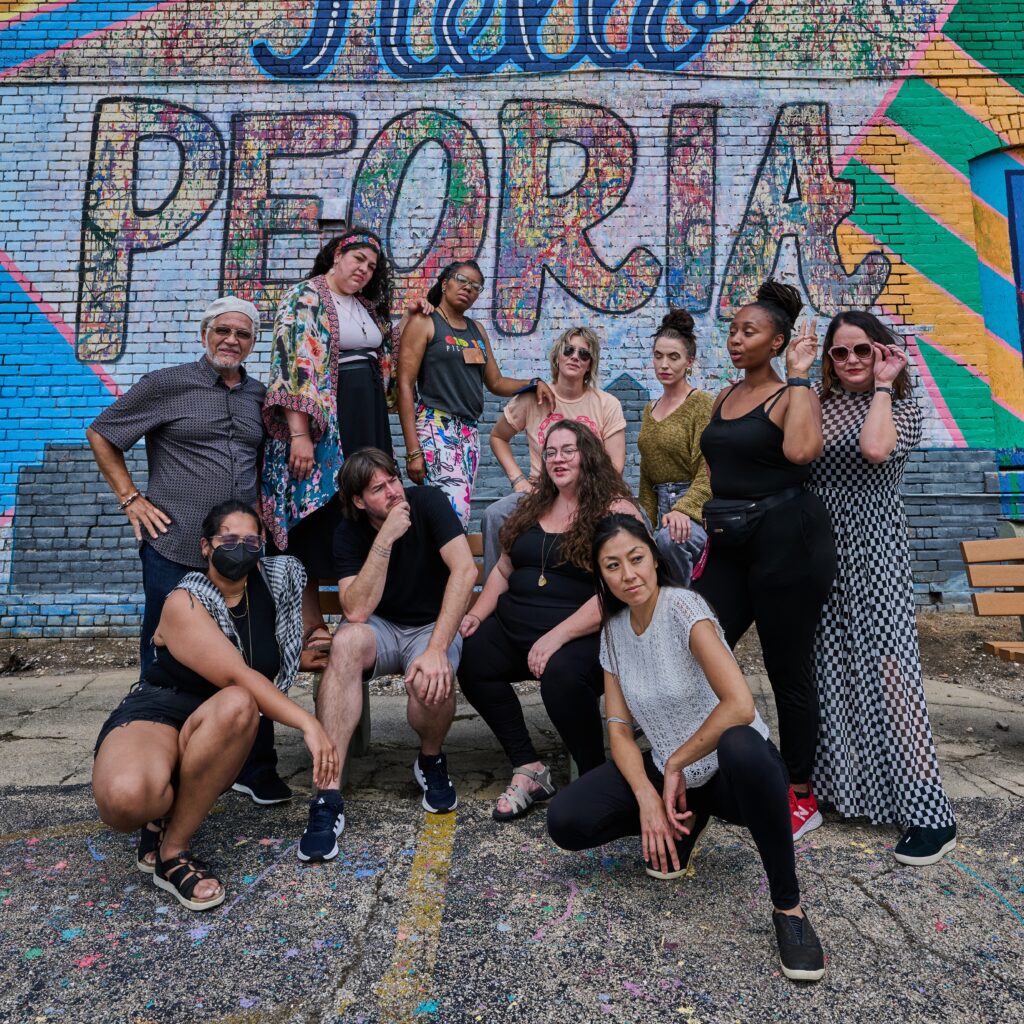
In 2025, we launched a statewide engagement process to better understand what creative workers need not just to sustain their work, but to build stable, thriving careers over time. Through listening sessions, surveys, and conversations with workers, employers, and partners across sectors, a clear throughline emerged: creative work is work, but too often it is not supported as such.
This agenda is shaped by that reality. It centers what it means to have a good job in the creative sector and recognizes that workers move through a broader cycle of opportunity over the course of their lives. Drawing on this framework, we outline the policies and systems needed to ensure creative workers can access stable income, navigate transitions, and remain connected to the resources that support long-term well-being.
Arts and culture are not separate from economic and community development. When creative workers are supported, they contribute not only to a stronger workforce, but to more connected, resilient communities across Illinois.
The current tax and labor structures governing gig work are fundamentally exploitative. They allow institutions to rely on the labor of artists, educators, and cultural workers without providing the security, support, or acknowledgment that traditional employees receive. This model wrings out creative workers—emotionally, financially, and in countless other ways—making it increasingly difficult for people to sustain their practices or remain in the field.
What creative workers need:
- A clear understanding of how creative workers are currently paid by discipline/sector
- Equitable and fair compensation regardless of your gender identity, race/ethnicity, immigration status, sexual orientation, or geographic location in the state
- Compensation that covers all work including prep, design, and rehearsal time
- Flexible work that is not exploitative
According to qualitative research conducted by Illinois Creative Workforce Partnership with artists across Illinois, 33% identified access to benefits as a factor that pulled them out of full-time employment in the arts. Our policy agenda refresh survey respondents noted health insurance as the most urgent benefit, along with 401 (k)/retirement match and paid leave.
What creative workers need:
- Affordable and accessible health insurance and retirement savings
- Mandatory paid leave regardless of employment status
- The ability to work and take care of themselves and their families without undue financial, physical, or mental burdens
Affordable and accessible space to create does not commonly exist in Chicago, especially for Black and Brown artists living and working in the city’s and suburban Cook County’s South and West sides. Grant funding to cover space and/or tools and equipment is scarce and challenging to acquire for independent artists.
What creative workers need:
- Engagement with local agencies to help them understand the barriers to individual artists, artist-owned businesses, and arts nonprofits in obtaining a PPA license to perform or exhibit their art
- Access to public spaces such as parks, schools and libraries to create, showcase, and exhibit or perform art
According to the Arts Vibrancy Index by SMU DataArts, as of 2026, Illinois ranks 10th overall for public support of the arts. The FY26 federal appropriations bill proposed 35% cuts to the National Endowment for the Arts (NEA) and the National Endowment for the Humanities (NEH) budget, and a 17.2% reduction in the Kennedy Center’s budget. These cuts put over $20 million in funding to the creative economy in Illinois at risk.
What creative workers need:
- Deep and meaningful investment regardless of art discipline or organization size
- Strengthened and expansion of existing funding pathways that engage individual artists and small arts nonprofits as contributors across agencies and issue areas such as civic engagement, community development, public health, and social resilience
Since AAI’s 2023-2025 policy agenda, Illinois passed the Freelance Worker Protection Act, which provides protections to independent contractors who provide products or services in Illinois. There are power imbalances between independent artists and employers that make it challenging to advocate for contracts that include fair compensation, benefits, and working conditions.
What creative workers need:
- Access to clear and concise information about their rights as a creative worker
- Employers who understand State and Federal laws and uphold the protections that exist for creative workers and other independent contractors
- A statewide campaign that educates workers and employers on the rights and protections of workers
91% of all Arts, Entertainment, and Recreation Sector businesses in the US are non-employer businesses, meaning that they are self-employed businesses of one. 20% of the estimated nearly 150,000 arts graduates in Illinois’ civilian workforce have primary jobs in arts occupations. McKinsey & Company reports a seismic shift in how Americans work and support themselves, with 36% of its survey respondents saying they worked as independent workers in 2022 (up from 27% in 2016).
What creative workers need:
- Dedicated resources to workforce development for the creative workforce using a racial and gender equity lens
- Clearer understanding of and access to what supports are available for Social and Economically Disadvantaged (SEDI) artists
- Investments that strengthen the linkages between arts degree programs and full-time arts occupations by creating more stable, high-growth and high-wages within the creative job sector and providing tools and resources to help creative entrepreneurs build and create